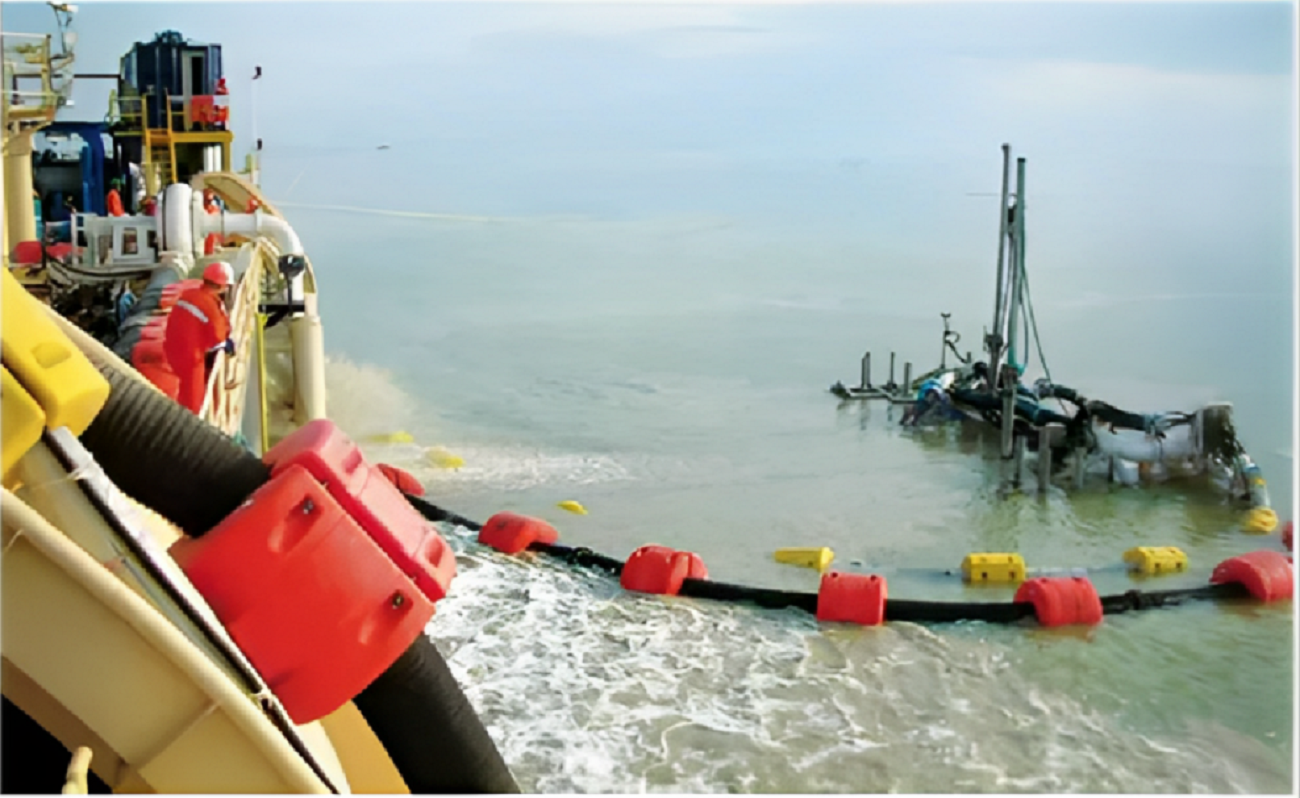
Polyethylene (PE) used for the production of pipes was developed starting from the 1950s through successive generations (from PE32 to PE100) becoming one of the most widely used materials in the world for the construction of underground networks, for the transport of water and gas, thanks to its excellent hydraulic and mechanical performance and lower installation and maintenance costs compared to steel, cast iron, stoneware and cement.
Polyethylene pipes are highly competitive in terms of reducing the losses of the transported fluids, as evidenced by decades of experience. The particular properties of the PE also make it suitable for replacing or rehabilitating of exhausted existing pipelines. LIGHTNESS
facilitates the transport and movement of the tubes; Tenacity
the use of polyethylene gives the duct a good impact resistance even at low temperatures; the viscoelasticity of the material also entails a considerable reduction in the effect of water hammering and stress induced by the laying activity and the stresses of the ground;
High Lenght
Tubes up to 110 mm in diameter. the bars can be supplied in rolls, up to 13.50 meters, thus reducing the number of joints
Reliability
The PE can be welded with simple techniques such as welding with thermal elements by contact (head to head) or by electrofusion
Flexibility
It allows to make the joints even outside the excavation and to subsequently lay the pipes adapting them to the layout, reducing installation times and costs
Alternative installations
For the rehabilitation of existing networks, in addition to traditional laying techniques, it is possible to use trenchless techniques that reduce social and environmental discomforts
High absorbing capacity
Due to, for example, settlements, earthquakes or frost
No Corrosion
NO CORROSION AND HIGH RESISTANCE TO CHEMICAL AGENTS.
Friendly coefficient and min, fairing
The PE pipes have characteristics that reduce pressure drops, allowing higher flow rates for the same diameter and eliminating the formation of scale, guaranteeing hydraulic efficiency over time Useful Life
With a life expectancy of MORE THAN 100 YEARS FOR THE PE100.
HDPE PE 100 PIPES
High density polyethylene pipes entirely made of PE100 (sigma 80 MPa), with minimum values of MRS (Minimum Required Strength) equal to 10 MPa, for pipelines under pressure, produced, a company in possession of Company Quality certification according to UNI EN ISO 9001 and Environmental according to UNI EN ISO 14001, compliant with the UNI EN 12201-2 standard accompanied by a conformity mark issued by a certification body accredited in the EA field according to the UNI CEI EN ISO / IEC 17065: 2012 standard; black colour with oextruded blue or entirely black stripes; external nominal diameter(DN)………PN….SRD.